
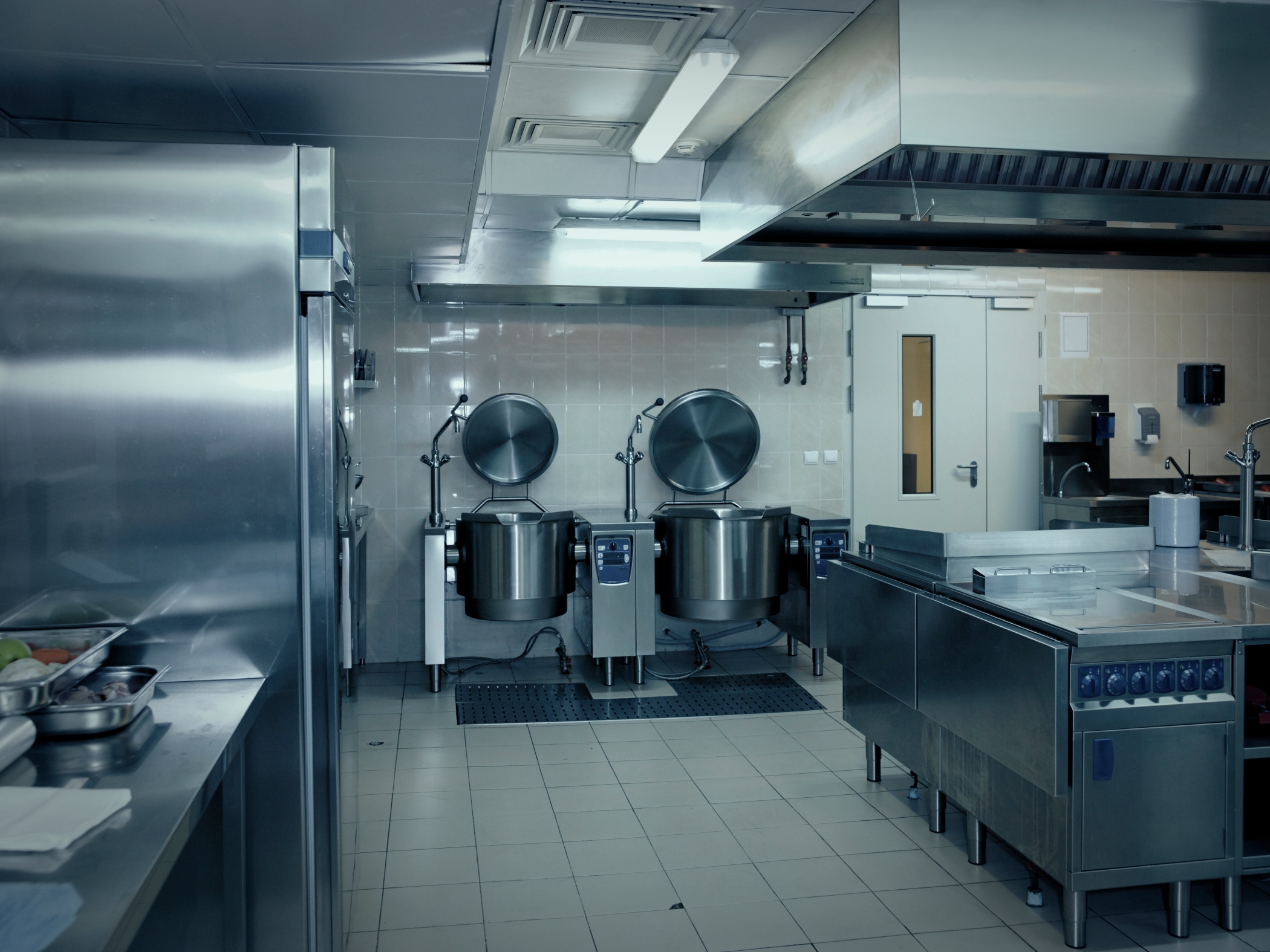
Comfort and air quality can't be overlooked in today's commercial kitchens. Employees need a healthy work environment to be productive. Kitchen ventilation plays a crucial role in indoor air quality but is also a prime ingredient in your energy budget. Ventilation control should be at the top of your menu of energy-saving opportunities.
Idle equipment makes energy waste
Ventilation systems remove all kinds of nasty things from the air emitted by kitchen equipment and food ingredients, such as heat, steam, smoke, grease and carbon monoxide. Fresh makeup air is supplied by an independent unit or through the facility heating, ventilation and air conditioning (HVAC) system.
This process is all good, but kitchens in food service facilities typically have long periods of idle time when equipment is not in use. Think about it: How many times have you made dinner reservations for 3 p.m.?
A typical ventilation system, however, operates at a constant rate. During these slow times, it continues to exhaust air at a high speed, requiring large amounts of makeup air. While your kitchen equipment is taking a break, the ventilation unit and space-conditioning system are working harder than necessary, costing you money.
Secret ingredient: Savings on demand
Demand control ventilation is your secret sauce for an energy-efficient kitchen. The ingredients include optical or temperature sensors and variable volume controls that regulate fan speed. Sensors mounted in the exhaust hood or kitchen area monitor temperature and/or carbon monoxide levels and send signals to variable speed drive (VSD) controls, which modulate the fan speed accordingly. The control system can also be integrated with the building HVAC or energy management system to adjust makeup air levels.
Special selections
Choose from the following items to save money and improve your kitchen's efficiency:
- Reduce cooking equipment temperature during slow periods. Many types of cooking equipment preheat rapidly, eliminating the need to maintain full temperature during slow periods.
- Cover pots and pans while cooking, which helps to retain heat, reducing cooking time and energy use.
- Establish a daily schedule for cleaning equipment. Carbon and grease buildup make equipment work harder and consume more energy.
- Operate dishwashers at full load. Facilities often run dishwashers at partial load during slow periods. It's more cost-effective to cold-rinse and stack dishes until a full load is ready.
- Close and seal refrigerator doors. Refrigeration units are big energy users. Conserve by making sure doors latch tightly and gaskets are sealed correctly.
If your kitchen equipment is older or in need of repair, consider replacing it with ENERGY STAR®-certified units. ENERGY STAR models can cut your energy and maintenance costs without sacrificing features, quality or style.