
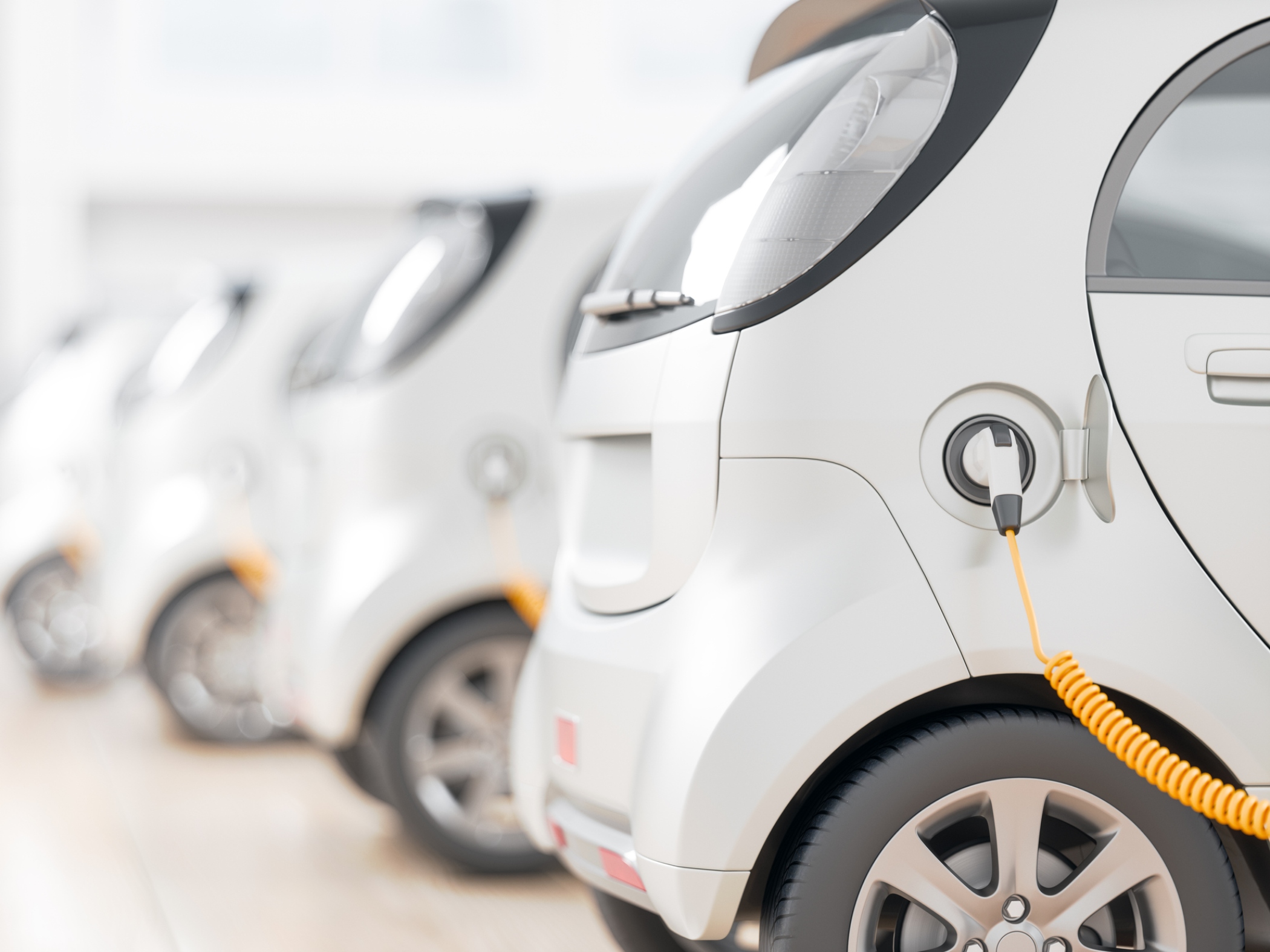
Electric vehicles (EVs) provide many benefits, including higher fuel efficiency, lower operating costs and reduced emissions. However, purchasing new vehicles is a big investment. Is your fleet right for EVs? Here are five signs that it might be time to make the switch.
1. You frequently get caught in traffic
If your vehicles encounter a lot of stop-and-go traffic and travel more than 15,000 miles a year, then your fleet is a good candidate for transitioning to EVs.
2. Your fleet vehicles are well-traveled
Do you have a lot of high-mileage, older vehicles in your fleet? Such vehicles often cost more to operate and require frequent repairs. Purchasing any new vehicle is expensive. Replacing vehicles as they age is a perfect way to slowly transition your fleet to EVs.
3. Vehicle maintenance costs are high
Internal combustion engine (ICE) vehicles contain a lot of moving parts, which require frequent maintenance. EVs have fewer moving parts, fewer fluids to change and reduced brake wear due to regenerative braking. Also, the battery, motor and electronics require minimal regular maintenance.
4. You're vulnerable to fluctuating fuel prices
Gasoline and diesel fuel prices tend to vary frequently. Higher prices can really impact your bottom line. EVs are more fuel-efficient than ICE vehicles, and they are generally less expensive per mile to operate. Also, electric rates stay consistent over time, which means no more worrying about variations in fuel prices.
5. You're looking to improve the sustainability of your business
EVs emit none of the tailpipe gas associated with ICE vehicles. Therefore, EV fleets are not only better for the environment but also for the air quality of your community.
Charging your vehicles
As you transition your fleet, you need a way to keep vehicles charged. There are more than 75,000 public charging stations available in the United States, according to the U.S. Department of Energy, and that number is growing. So, it's likely that there will be plenty of public charging stations available in your area.
Despite this, installing your own vehicle charging is the best way to control costs and ensure reliability. Most businesses install Level 2 charging stations, but the number of DC fast charging stations is growing. DC fast chargers work much more quickly, but they're more expensive to install.
When planning for installation, consider electric capacity, mounting options and code requirements. Design lighting, shelter and signage to fit your needs.
We have an EV charging pilot program which helps pay for up-front costs of utility infrastructure upgrades and provides possible rebates for business-owned electrical work necessary to install EV charging equipment.
We Energies Business EV pilot program
With the right EVs and charging infrastructure in place, you can reduce fleet operating costs and improve your business operations while helping your community and the planet.