
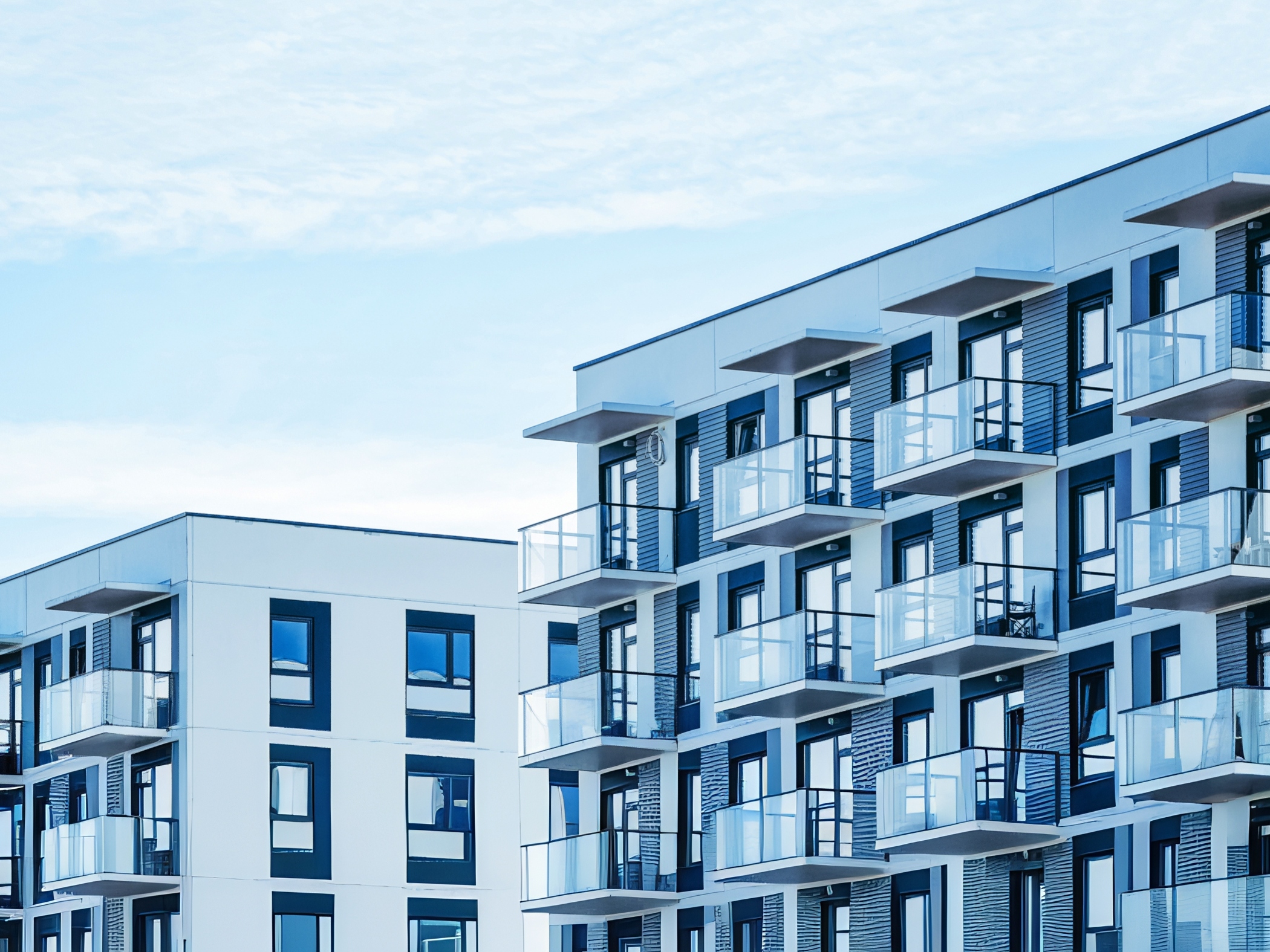
Natural gas is widely used in multifamily properties for space heating, water heating and cooking. It is safe and reliable when used properly. These simple precautions will help to ensure the safety of your tenants and properties.
Carbon monoxide poisoning
One of the dangers of poorly maintained or improperly used gas appliances and equipment is carbon monoxide poisoning. Poor ventilation can lead to a buildup of this deadly gas, causing sickness and even death. Reduce your risk with these safety tips:
- Install and maintain carbon monoxide detectors, which measure the amount of this gas in the air and alert occupants before it reaches dangerous levels.
- Have natural gas appliances and equipment inspected regularly by a qualified professional.
- Inspect the vents and flues of gas water heaters, furnaces and fireplaces to ensure the exhaust is properly ventilated. If you suspect a problem, contact a qualified repair technician.
Gas line leaks
Though rare, natural gas line leaks can be dangerous. The most telling sign is a rotten egg smell. This unpleasant odor comes from a harmless chemical, mercaptan, which is added to natural gas to make detection easier. If you suspect a gas leak:
- Don't attempt to find it yourself.
- Don't shut off any electrical equipment.
- Leave the premises immediately and call our emergency line at 800-261-5325.
It's also important to contact us if you smell natural gas outside your building.
Call before you dig
Hitting an underground natural gas pipe can create a fire or explosion. These lines can be just a foot under the ground. Call 811 to have underground utility lines marked before doing any renovation or outdoor projects that require digging.
Gas appliances and equipment
Fuel-fired equipment and appliances can cause fires or explosions if not cleaned and maintained properly. Follow these safety tips:
- Keep the area around appliances and equipment free of flammable materials.
- Have furnaces, boilers and water heaters inspected and maintained regularly by a qualified professional.
- Make sure heating equipment and flues are in good working order.
- Keep the air intakes and drainpipes on water heaters unobstructed. Follow the manufacturer's instructions regarding maintenance or the installation of insulation blankets.
Gas appliances and equipment should be installed by a qualified professional. Contact your local building inspector or fire marshal regarding any building or fire code issues.