
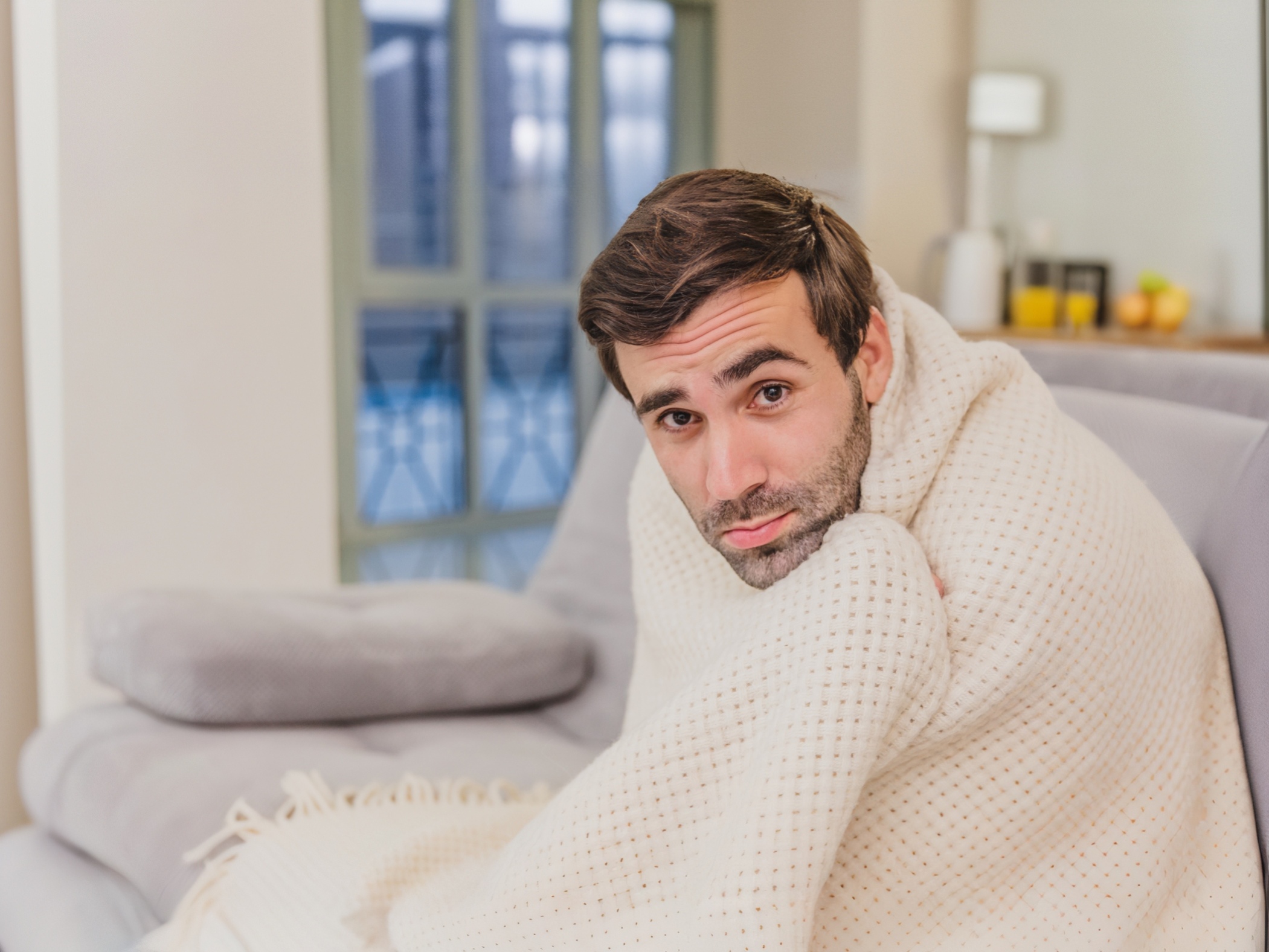
Why do some rooms in your home feel warm and cozy while others are cold and drafty? It's a common problem for households across the country. It not only makes you feel less comfortable in your own home, but it can also increase your energy bills. While the reason for uneven room temperatures can vary, here are four common causes and what you can do about them.
1. Drafty windows
Put your hand near a window in a room that feels cold. If you notice a draft, it could be causing colder temperatures in the room. However, the impact of drafty windows can go beyond just the room. Heat loss through windows is responsible for up to 30% of home heating use.
Check drafty windows for missing or loose caulk and seal them properly. Make sure the edges along the window pane are clean and clear of any old caulk. Apply the new caulk slowly and evenly along the base of the crack and finish by running a damp finger along the bead to smooth it out. If you have older, single pane windows, consider replacing them with new high-performance windows.
2. Blocked vents
Your heating system depends on uniform airflow throughout the home for optimal comfort and performance. Blocked or closed vents not only reduce comfort, but they can also cause your heating system to work harder than necessary, costing you money. If temperatures in some spaces feel uneven, make sure that all vents are open and not covered by furniture or rugs.
3. Poor insulation
It could be that your heating system is getting plenty of warm air to all of your rooms, but the air leaves quickly. In this case, inadequate insulation could be the issue. Many older homes don't have enough insulation to keep warm air from escaping, and uneven room temperatures are a common sign of that. Contact a qualified contractor to ensure your home is properly insulated for your climate zone.
4. Improperly sized heating system
Proper sizing for a heating system should take into account the home's size, the climate, ceiling height and other factors. If the system is too large or small, it could lead to uneven airflow, leaving some rooms too hot or too cold. In this case, a new, properly sized and installed heating system may be necessary to solve the problem. Consult with a qualified HVAC professional.
If your home has had an addition at some point and that area feels colder, consider a zoned heating system. A zoned system divides areas of your home into separate "zones," each with independent temperature controls for customized comfort.
Get a home checkup
If your home isn't providing the comfort you need and your energy bills are higher than you'd like, consider getting a home energy audit. An energy professional will inspect your home and provide you with a set of customized improvement recommendations that can increase comfort and reduce your energy costs.